














Casino Lab Mobile App Setup In Canada

For adults in Canada, this 2026 mobile walkthrough covers setup, deposits, limits, and support so play stays controlled.

Fortune Gems 2 Slot

Table of Contents

  • The Dog House Megaways Slot
  • Lucky Joker 10 Extra Gifts Slot
  • Sword of Ares Slot
  • Floating Dragon Hold & Spin Slot
  • Leprechaun Riches Slot
  • Fruit Cocktail Slot
  • The Dog House Megaways Slot
  • Sword of Ares Slot
  • Fruit Million Slot
  • The Dog House Megaways Slot
  • Big Fisherman Slot
  • Big Fisherman Slot
  • Seven Books Unlimited Slot
  • Casino Lab Fortune Slot
  • Sword of Ares Slot
  • Floating Dragon Hold & Spin Slot
  • 9 Mad Hats Slot
  • Floating Dragon Hold & Spin Slot
  • Big Bass Splash Slot
App 1

Why Players Choose Casino Lab App On Mobile

Mobile play is popular for one simple reason - it fits into real life. You can open a session during a quiet evening, squeeze in a few rounds on a break, or check your balance without turning on a laptop. Imagine you’re waiting for food delivery and you just want ten minutes of entertainment, not a long ritual. That’s where a phone-first experience feels right.

The flip side is that mobile convenience can make everything feel “too easy.” One tap becomes another, and suddenly you’ve spent more time and money than you planned. The best way to keep things healthy is to set your rules before you start: decide your budget, decide your time window, and decide what you’ll do if you feel yourself chasing.

Casino Lab is available in Canada and is designed to work within applicable rules and age-restricted access. You don’t need to think about that every second, but it helps to respect the checkpoints when they appear (verification prompts, payment confirmations, and responsible-play tools). Most frustration comes from fighting the process instead of preparing for it.

What A “Good Mobile Session” Looks Like

A good session feels predictable, even when the results are not. Picture this: you log in, pick one game, set a stake you’re comfortable with, and you stop after a planned amount of time. You leave with the same mood you started with, not with a headache and a need to “fix” the night.

Usually players get there by building small habits: one deposit per session, favorites saved so they don’t browse endlessly, and short breaks to check in with themselves. If you can say out loud, “I’m playing for fun and I’m stopping at X,” you’re already ahead of most people.

Mobile Vs Desktop: The Practical Difference

Desktop feels slower and more deliberate. Mobile feels fast and tempting. Imagine you’re on a phone and you can switch games in three taps - that speed is nice, but it also makes it easy to bounce around emotionally after a few losses.

If you know you’re the type to impulse-click, treat desktop as your “long session” place and mobile as your “short session” place. That small separation keeps your routine clean without requiring willpower every time you open the lobby.
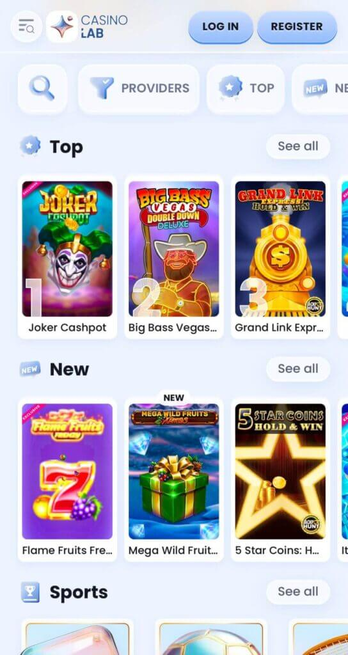
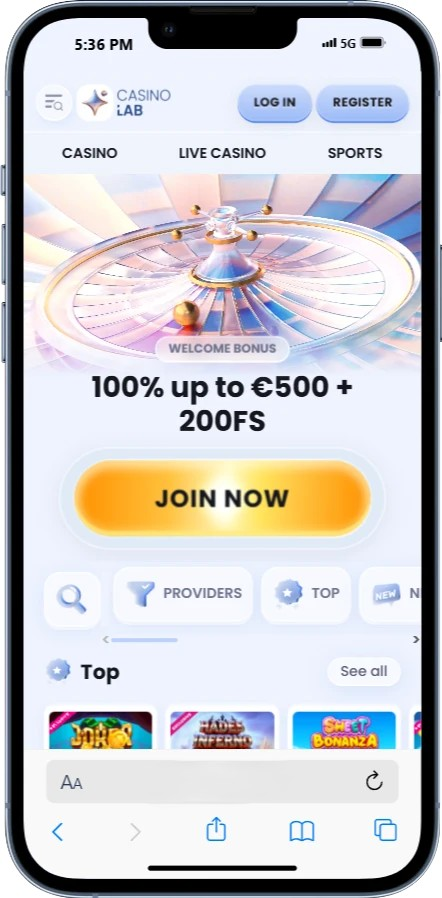
application 2

Getting Started With Casino Lab App In 2026

The first launch is where most people create future problems without realizing it. Picture setting things up late at night, half-distracted, and saving the wrong password in autofill. It seems harmless until you try to log in on a different day and everything breaks. Give yourself ten calm minutes and the rest of the year gets easier.

Start with basics your phone needs: enough storage space, a stable connection, and updated system software. Mobile platforms can behave differently when your device is low on space or your battery settings are aggressive. If screens feel sluggish, don’t panic-click. Close background apps, restart once, and try again with a clean slate.

If you prefer fewer moving parts, browser play can be an option, but installed mobile access often feels smoother once it’s set up. Either way, the goal is identical: consistent login, a cashier that loads reliably, and settings that support adult-only access and responsible use.

Browser Play Or Install: Picking The Less Annoying Option

Imagine you’re on a spotty connection and you just want something that loads. Browser play can be simpler because it updates itself and you don’t manage installations. On the other hand, an installed experience can reduce steps and feel more stable after the first setup.

Choose based on your habits, not on hype. If you play occasionally, browser access may be enough. If you play more regularly and want quick entry, an install can save time. The human answer is: pick the option you can keep clean, updated, and easy to access without confusion.

First Launch Checks That Save Time Later

Before you deposit, test the flow like an adult who values their own time. Open the lobby, switch between a couple of titles, and make sure the cashier screen loads fully. Picture getting excited, depositing, and then discovering your device blocks a confirmation prompt. That’s avoidable.

Do a short “dry run”: log in, browse, open settings, then log out and log in again once. It sounds basic, but it proves your credentials are stored correctly and your device isn’t fighting you with old autofill entries.

App 3

Account Setup And Verification On A Small Screen

Mobile registration feels quick, but it’s still a formal account setup. If you rush the form, you often pay for it later in the withdrawal stage. Imagine you win, you try to cash out, and then you realize your address format doesn’t match your document because you shortened it in the profile. That’s not drama, it’s just friction you created earlier.

Be consistent with your details. Use the same spelling, the same address formatting, and the same contact information you actually use in daily life. If you move or change phone numbers, update your profile before you make a withdrawal request, not after.

Age-restricted access also matters. The platform is meant for adults of legal age, and that includes how you protect your own device. Use a screen lock, avoid shared accounts, and log out if your phone is sometimes used by other people in your home.

Profile Details That Won’t Cause Future Headaches

Picture filling out your name the way your friends write it, not the way your ID shows it. It looks friendly in the moment, but it becomes a mismatch later. Use your real full name as shown on your documents, and keep your address information accurate and current.

Also, choose an email you can access quickly. A lot of “login issues” are really “I can’t get into my inbox right now.” If your email is locked behind an old password or a rarely used device, you’re setting yourself up for frustration at the worst time.

Codes, Confirmations, And “Why Did It Log Me Out?”

Mobile sessions expire. Codes expire. Phones switch between Wi-Fi and data without asking. Imagine requesting a one-time code on Wi-Fi, walking into another room, and then the code arrives after you’ve switched networks and the screen refreshed. It feels like the platform is messing with you, but it’s usually just timing.

The fix is practical: stay on one stable connection while you complete sign-in steps. Request the code, enter it immediately, and avoid jumping between apps. If you use autofill, double-check that it saved the correct password after any reset. Duplicate saved entries are a silent source of endless lockouts.

Deposits, Withdrawals, And Limits On Mobile

This is where mobile convenience needs guardrails. Imagine you’re half-watching a show, you open the cashier, and you approve a payment without really looking at the amount. On a phone, the “accidental overspend” risk is real because everything is designed to be fast.

Start with a simple rule: one deposit per session. If you want a longer session, lower your stake or choose slower play. Don’t top up repeatedly because you feel “close” to turning things around. That’s how entertainment becomes a problem.

Withdrawals are easier when you prepare early. Keep your profile accurate, keep your verification channels accessible, and don’t wait until you need speed to discover that you’re missing a document or your address format is outdated. If checks appear, treat them as routine guardrails tied to adult-only access and account security.

Mobile Money Step

What to check

Why it matters

Deposit amount

Confirm the number before approval

Prevents accidental overspending

Payment confirmation

Watch for an approval prompt

Avoids “pending” confusion

Transaction history

Verify status after each action

Helps you spot duplicates fast

Personal limits

Set deposit and session caps

Keeps play predictable

Cashout prep

Profile details match documents

Reduces review delays

Support notes

Save timestamps and amounts

Makes help requests faster

The One-Deposit Rule And A Realistic Budget

Picture your session budget like your movie ticket. You pay once, you enjoy the experience, you leave. Adults who stick to one deposit per session usually feel calmer because they remove the constant decision of “should I add more?”

If you’re tempted to top up, that’s a signal, not a suggestion. Take a break, check your mood, and decide whether you’re still playing for fun. If the answer is no, end the session. You’ll be surprised how often the urge fades after ten minutes away from the screen.

Withdrawal Prep Without The Panic Spiral

Imagine you have a win and you want to cash out immediately, then you discover your profile still contains an old address from a previous move. That’s when people spiral and start clicking randomly. Avoid that by keeping your profile current before you request a withdrawal.

When document checks appear, submit clear photos in good light with all corners visible. No glare, no blur, no cropped edges. Then wait for the status to update. Repeated resubmissions and multiple support messages usually slow things down because the conversation becomes disorganized.

Track Status Like A Normal Person

It’s tempting to refresh the status screen every few minutes. Imagine treating it like a sports score and getting more stressed with every refresh. A healthier rhythm is: submit, confirm you received acknowledgment, then check at reasonable intervals.

If the status changes and asks for something, respond once with clear information. If nothing changes, let the system do its work. The calmer you are, the less likely you are to make the kind of rushed mistake that creates delays.

Find Games Fast And Keep Sessions Calm

Mobile lobbies can be overwhelming because they show you everything at once. Imagine you scroll for five minutes, get bored, pick something random, and then feel annoyed because the session started badly. That’s not a game problem, it’s a decision problem.

Build a small rotation. Save a few favorites that fit different moods: a quick option for short sessions, a steadier option for longer play, and one high-excitement choice you only touch at the end for a limited time. The trick is not having options, it’s having fewer options you actually like.

Keep your stake consistent. On mobile, changing stakes quickly is easy, and that makes it tempting to “fix” a bad run by increasing risk. If you want more excitement, switch titles, not stakes.

Favorites And Shortlists That Actually Help

Picture opening the lobby after a long day. Your brain is tired, and the last thing you need is a hundred choices. Favorites exist to remove that burden. Save two or three titles you genuinely enjoy, and use them as your default.

Review your favorites occasionally. Adults often keep a title saved out of habit even if it makes them tense. If a game consistently pushes you to chase, remove it from your rotation. That simple edit improves your sessions more than any “strategy” does.

Stakes, Time Windows, And Micro-Breaks

A calm session has a shape. Imagine you set a 25-minute timer, play, pause at the halfway point, check your balance, and decide whether to continue. That pause is where you regain control.

Micro-breaks also prevent the “thumb trance” effect. Stand up, drink water, look away from the screen. If you return and still want to play, great. If you return and feel indifferent, that’s your sign to stop.

Timeouts And Self-Exclusion When Mood Takes Over

Sometimes the best move is to stop yourself before you need willpower. Picture feeling irritated, not entertained, and still playing because you want to end on a win. That’s a classic chasing pattern.

Use timeouts as a normal tool. A short break can reset your head. If you notice repeated patterns across days, longer cooling-off options exist for a reason. These tools are practical controls for adults who want entertainment to stay in its lane.

Security And Privacy For Everyday Mobile Use

Mobile play should never feel like you’re taking risks with your personal life. Imagine you leave your phone on a table, a notification pops up, and someone nearby sees account details on the lock screen. It’s not catastrophic, but it’s unnecessary.

Start with device security. Keep a screen lock enabled. Avoid saving sensitive information on shared devices. If you sometimes play in public, reduce lock-screen previews so messages don’t reveal details.

Connection habits matter too. Public Wi-Fi can be unstable and distracting during payment steps. If you’re making a deposit or confirming a withdrawal, use a stable connection and complete the process in one calm sequence.

Password Storage That Doesn’t Betray You

People think passwords fail because they’re “wrong,” but often they’re wrong because the device saved the old one. Picture resetting a password, then your phone keeps auto-filling the previous version. You try again, fail again, and now you’re in a cooldown.

After any reset, log in successfully once, then log out and log in again. Delete duplicate autofill entries. Keep one source of truth for your credentials so you’re not juggling three versions across devices.

Notifications and Privacy Settings

Notifications should protect you, not pull you back into play randomly. Imagine getting a promotional ping while you’re bored and having it nudge you into a session you never planned. Adjust notifications so you receive security-related prompts but avoid unnecessary nudges.

If you share space with others, keep privacy in mind. Log out after sessions, especially on shared devices. It’s a small habit that prevents big awkwardness.

Support and Troubleshooting When Something Feels Off

Most issues are mundane: slow loading, a stuck cashier status, or a login loop caused by autofill. Imagine you’re tired and annoyed, and you start hammering buttons to “make it work.” That’s when people accidentally create duplicates, lockouts, or confusion that support has to untangle.

Start with the boring fixes. Close background apps. Restart the phone. Switch to one stable connection. Try again once, slowly. If the issue is payment-related, do not repeat the action immediately. Check transaction history first.

When you contact support, write like someone who wants a solution. Include what you did, what you expected, what happened, and when. If money is involved, include the amount and the method. Clear details reduce back-and-forth.

Slow Screens And Frozen Lobbies

Picture a lobby that loads halfway and then stalls. The worst move is to keep tapping and opening multiple games. Close the app or browser, clear background tasks, and relaunch. If your device is low on storage, free some space. Mobile performance often depends on the phone more than people want to admit.

If the problem repeats, simplify your session. Use fewer open tabs, avoid switching networks mid-session, and keep battery saver settings from throttling performance. Small device tweaks can make the experience feel smooth again.

"Pending" Payments And Duplicate Attempts

This scenario is common: you make a deposit, the screen looks slow, and you try again. Later you discover you created a duplicate attempt. Instead, wait, check transaction history, and look for status notes.

If something stays pending longer than expected, contact support with one clear message. Usually the fastest outcome comes from calm, specific information, not from repeated actions that create more records to review.

Writing A Support Message That Gets Read

Imagine two messages: one says “Fix this now,” and the other says, “I attempted a deposit at 19:10, amount X, method Y, status shows pending.” The second message gets action because it gives support something to locate.

Keep it short. One issue per message. If you have screenshots for your own reference, use them to describe what you see, but don’t turn the message into a rant. Adults get faster help when they communicate like adults.

FAQ

Make sure your device has enough free storage, updated system software, and a stable connection, then test the lobby and cashier flow before adding funds. Many people rush installation and only discover later that battery saver settings or background apps are causing slow screens. If you do a quick dry run first - log in, browse, open settings, log out - you’ll catch most friction early and avoid stress later.

Submit login details once and wait for the response instead of tapping repeatedly, because rapid attempts can trigger temporary lockouts. Keep your email accessible, stay on one stable network while entering one-time codes, and remove duplicate autofill entries that store old passwords. If you reset your password, do a quick confirmation loop by logging in, logging out, and logging in again to ensure the new credentials are saved correctly.

Use a one-deposit rule for the session and decide your stake and time window before you start playing. Add a timer for a mid-session check-in, and treat the urge to top up as a signal to pause, not a command to act. Adults who keep sessions structured - one deposit, one time window, and a clear stopping point - usually feel more relaxed and avoid regret.

Identity and account checks are a normal part of protecting adult-only access and preventing misuse, and they can appear more often around the first cashout or after profile changes. The smoother path is to keep your profile details consistent with your documents and submit clear photos in good light with all corners visible. Once you submit what’s requested, let the status process move instead of resubmitting repeatedly, which can slow review.

Create a small favorites rotation that matches real life: a quick option for short breaks, a steadier option for longer play, and one high-excitement title you limit to a short finale. When you open the lobby, pick from that short list instead of scrolling the entire catalog. If you feel bored or irritated, switch titles once at most, then take a break - constant switching is usually a sign the session should end.

Do not repeat the same deposit attempt right away. Wait a moment, check transaction history, and look for a status note, because slow confirmations can make it look stuck when it’s still processing. If the status doesn’t change, contact support with specific details like the time, amount, and payment method so they can locate the exact record quickly and tell you the next step.

Use a screen lock, reduce lock-screen notification previews, and log out after each session, especially if anyone else might handle your phone. Avoid saving credentials and payment details on shared devices, and keep your recovery email secure so no one can reset access casually. Small privacy habits make mobile play feel safer and prevent awkward situations without adding extra effort.

🇬🇧 English