













Lab Casino Login For Canada Access

Quick sign-in habits for Casino Lab in Canada in 2026: reduce lockouts, protect your account, and play with clearer limits.

Fortune Gems 2 Slot

Table of Contents

  • The Dog House Megaways Slot
  • Lucky Joker 10 Extra Gifts Slot
  • Sword of Ares Slot
  • Floating Dragon Hold & Spin Slot
  • Leprechaun Riches Slot
  • Fruit Cocktail Slot
  • The Dog House Megaways Slot
  • Sword of Ares Slot
  • Fruit Million Slot
  • The Dog House Megaways Slot
  • Big Fisherman Slot
  • Big Fisherman Slot
  • Seven Books Unlimited Slot
  • Casino Lab Fortune Slot
  • Sword of Ares Slot
  • Floating Dragon Hold & Spin Slot
  • 9 Mad Hats Slot
  • Floating Dragon Hold & Spin Slot
  • Big Bass Splash Slot

Casino Lab Login Checklist Before You Deposit

Imagine you finally have a quiet evening, open the platform, and want to get into the lobby in under a minute. Most players rush that moment, then lose time on avoidable problems: an old saved password, the wrong keyboard layout, or a browser extension that blocks a confirmation step. A better approach is to build a tiny pre-flight routine that takes thirty seconds and saves you ten minutes of frustration later.
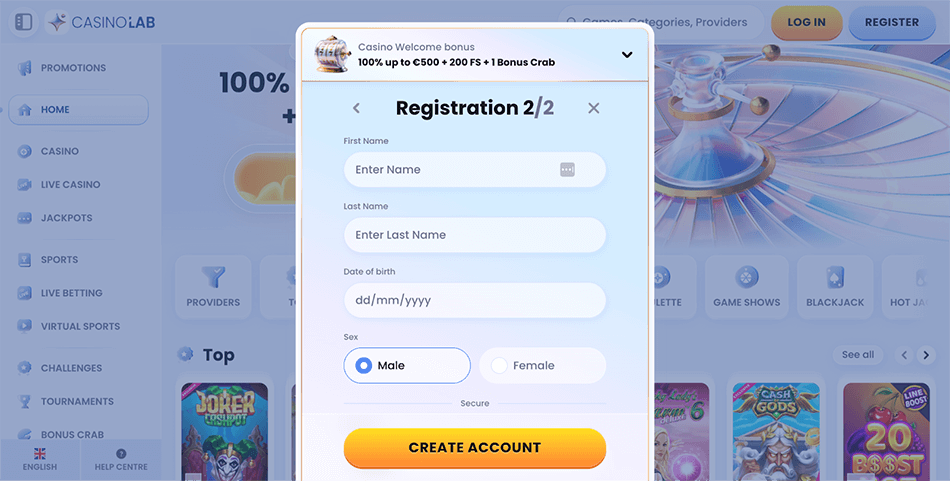
Login 1

Start with the simplest input checks. Look at Caps Lock, confirm you’re on the correct language layout, and type your email slowly once. Usually players blame the platform when the real culprit is an extra space at the end of the email field or an autocorrect change on mobile. If you notice you keep making the same typo, stop relying on memory and store your credentials securely.

Next, keep your device environment stable. If you jump between three phones and two laptops, you invite extra security prompts and you also make it harder to debug issues. Pick one primary device for sign-in, keep the system time correct, and use a reliable connection. When the connection is unstable, players double-tap buttons, submit forms twice, and then wonder why the session behaves oddly.

Because Casino Lab is available in Canada, access is typically intended for legal-age adults and may include identity and security checks aligned with applicable rules. That’s not a reason to panic, but it is a reason to keep your account details consistent and avoid frantic edits when something doesn’t work on the first try.

Finally, set up “calm access” tools before you ever play. Turn on session reminders, decide your deposit cap, and locate timeout options. Imagine you log in, get excited, and start clicking fast - limits are easier to set while calm than while tempted.

Small Inputs That Cause Big Errors

Picture this: you swear your password is correct, but the error keeps appearing. Often it’s not the password itself, it’s the context around it - a browser autofilling an old credential, a hidden space copied at the end of a password, or a phone keyboard changing characters without warning. The fix is to slow down and re-enter credentials from a secure source instead of typing from memory.

Another common trap is mixing multiple emails or phone numbers across services. Players sometimes try three different addresses in a row, then can’t remember which one worked originally. Keep one “account identity” and stick to it. If you need to change anything, change one field, save, and stop, so you don’t create mismatches that are harder to untangle later.

When Security Prompts Appear On Purpose

Imagine you sign in from a new device and a confirmation prompt shows up right when you wanted instant access. That extra step is usually there to protect the account, not to punish you. Complete the prompt once, wait for confirmation, and avoid switching networks mid-step (changing Wi-Fi to mobile data while a code is pending often creates a loop).

If you’re offered an option to trust a device, use it only on devices you truly control. A shared computer or a borrowed phone might feel convenient for one night, but it can create risk later. Convenience is not worth it if the device isn’t yours.
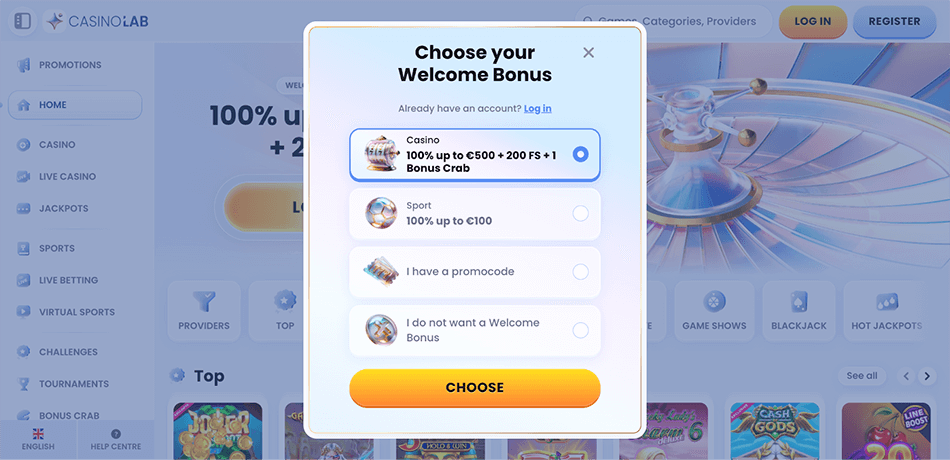
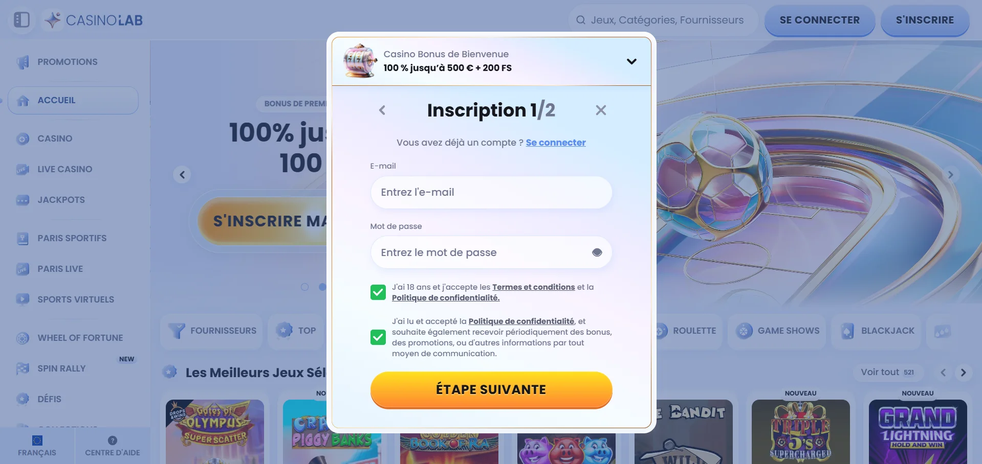
Login 2

Lab Casino Login Troubleshooting In Canada

Imagine you try to sign in, it fails, and your instinct is to “just try again faster.” Usually players do exactly that, then end up locked out and more irritated than before. The quickest troubleshooting method is the opposite of speed - it’s a controlled sequence where you change one variable at a time.

Start by stopping repeated attempts. Give yourself one minute, then try once with a clean entry of your credentials. If you still can’t enter, test a clean session: private browsing or a different browser profile. This isolates whether the issue is stored cookies and cache, without forcing you to wipe everything and lose settings you actually like.

If the sign-in screen loads oddly or buttons don’t react, suspect the environment. Extensions that block scripts, aggressive privacy settings, or outdated browsers can break key steps. You don’t need to remove every protection, but you may need a temporary adjustment to complete an important confirmation.

When a code is involved, treat it like a single-use ticket. Request one code, use it immediately, and wait for the result. Players who request multiple codes “just in case” often invalidate the first one and then try them in random order. That’s how a simple step turns into a ten-minute spiral.

If the system indicates a lockout, respect it. Lockouts are meant to protect the account. Waiting and then using the recovery flow is almost always faster than guessing five more times.

Resetting Password Without Creating A Loop

Picture a password reset like a short admin task, not a crisis. Choose a calm moment with stable connection, then complete the recovery steps in one clean run. If you start the process while distracted, you’ll misread prompts and end up repeating steps, which makes everything feel harder than it is.

When you set a new password, store it immediately. Players often create a “temporary” password under pressure and assume they’ll remember it later. They don’t. A password manager or a single secure storage method prevents repeat lockouts and reduces the temptation to reuse weak passwords.

Locked Out? What To Do First

Imagine you hit a wall and the platform stops accepting attempts. The worst move is to keep hammering the sign-in button. Stop, wait, and let the lockout window pass. Then return with a clean session, enter credentials carefully, and avoid switching devices during recovery.

If you suspect the issue is your saved password, remove the wrong autofill entry. Many lockouts happen because the browser keeps inserting an old password while you think you’re entering the new one. Fix the saved credential, then try once more calmly.

Clean Browser Session Vs Full Wipe

Picture clearing your entire browser data and losing every saved preference, then realizing the problem remains. You don’t always need the nuclear option. Start small: private browsing. If that works, you’ve proven stored data was the cause without deleting everything.

If private browsing doesn’t help, clear cookies and cache for the platform only, then restart the browser and try again. Keep your steps minimal and deliberate. The more you change at once, the harder it becomes to see what actually fixed the problem.

Login 3

Casino Lab Casino Login And Verification Flow

Imagine you finally get into the account area and you see prompts asking you to confirm details or upload verification information. Many players postpone this until the moment they want a cashout, then feel stressed because it appears at the worst possible time. The smoother approach is to handle verification early, on a neutral day, when your patience is higher.

For users in Canada, these checks typically exist to keep access and account activity aligned with applicable rules and legal-age participation. You don’t need to treat it like a courtroom. Treat it like setting up online banking: clear photos, consistent details, and one calm submission.

Do not rush document uploads. Bad lighting and blurry images lead to re-uploads, and re-uploads create frustration. If something is rejected, change one variable at a time: better lighting, clearer angle, or a different camera. Players who change everything at once often can’t tell what improved.

After verification is complete, keep your details stable. Constant edits to address formatting or name order can trigger additional checks. Calm consistency reduces future friction.

Casino Lab Sign In App Habits For Mobile Sessions

Imagine you sign in on a phone while multitasking, half-paying attention, and tapping faster than you’re thinking. Mobile access is convenient, but it also makes mistakes easier: mistyped passwords, accidental back taps, and sessions that run longer than planned. The best mobile habit is to treat sign-in like a focused action, not a background task.

Start by controlling the device environment. Update the app and operating system, keep your phone time correct, and avoid signing in on unstable public networks when you’re doing important steps. If the screen lags, do not double-tap. One tap, then wait. Many “mystery” errors come from rapid taps that submit forms twice.

Use a clean routine for codes and confirmations. Request one code, switch to messages, copy it once, paste it once, and return to the app. If you bounce between apps too fast, you’ll paste the wrong text or lose the field focus. Slow steps feel boring, but they prevent loops.

Plan your exit in advance. Mobile sessions can drift because the device is always in your pocket. Set a timer outside the app and decide a stop point before you start. If you do that, you’ll enjoy the session more because you aren’t negotiating with yourself every five minutes.

Notifications, Timeouts, And Quick Exits

Picture the moment you want to stop, but the platform keeps offering one more game, one more lobby suggestion, one more click. That’s where a simple timer and a clear closing ritual help. When your timer ends, close the app fully, not “in a minute,” and lock the phone so you don’t re-open it on autopilot.

If you notice impatience rising - tapping faster, switching games rapidly, looking for a quick fix - treat that as a signal to use a timeout tool. A short cooling-off break is not dramatic. It’s a reset button that protects your budget and your mood when your decision quality drops.

Staying In Control After Sign-In: Limits And Session Plans

Imagine you sign in with the intention of playing for twenty minutes, then time slips because the lobby is frictionless and your brain keeps saying “just one more.” This is where responsible tools stop being theoretical and become practical. Limits are not a moral statement. They’re a way to keep your sessions aligned with your plan when your emotions change.

Start with a simple session plan: budget, time, and one clear stopping rule. Budget means you decide the maximum you’re willing to spend in that session before you open the cashier. Time means you set a timer so the session doesn’t become endless. A stopping rule means you choose a point that ends the session regardless of mood, like “after one deposit” or “after the timer ends.”

Now use built-in controls. Set a deposit cap that fits your real life, not your best intentions. Add session reminders so you get a pause moment to think. If you notice you keep returning too often, use longer breaks. Many players wait until they feel out of control, then set limits in a panic. The calm way is to set limits before you play, not after.

Separate your sessions. Instead of one long stretch, try short blocks with a break between them. Imagine you stand up, drink water, and check your time after a short block. That break interrupts impulsive loops and gives you a chance to decide deliberately whether you want another session.

Be honest about your mood. If you’re tired, angry, or distracted, your decisions get worse. That’s not a personality flaw, it’s a human thing. If your mind is not clear, the best move is to stop and return later, not to push through with more clicks.

Finally, keep your account tidy. If you’re constantly changing device, changing payment methods, and changing profile details, you create friction and stress. A calm, consistent account history makes everything simpler: access, support conversations, and cashout steps.

A Two-Session Rule That Stops Chasing

Picture this: you lose a few rounds, feel the urge to “fix it,” and your finger drifts toward another deposit. The two-session rule interrupts that. One deposit funds one planned session. If you want another session, you take a break first, then decide with a clear head.

This rule works because it adds a tiny bit of friction to impulsive behavior. You stop treating top-ups as a reflex and start treating them as a decision. Over time, that shift protects your budget more than any motivational speech.

Support Messages That Get Clear Answers

Imagine you’re locked out or a confirmation step is stuck and you send “it’s not working.” You’ll likely get a generic reply because the agent has nothing specific to act on. Write like a teammate instead: what you did, when you did it, what device you used, and the exact message you saw.

Keep it one issue per message. Players often dump five questions at once, then feel ignored when the reply only answers one. A short message with one clear question gets faster, more precise help and reduces the chance you stay logged in and frustrated.

Payments And Cashouts After Access: Keep It Consistent

Imagine you finally get access, deposit smoothly, and everything feels easy. Then later you want to withdraw and you change methods because you want it to be faster or more convenient. That switching is a common source of confusion. The calm approach is consistency: one payment method you can repeat, stable profile details, and no last-minute edits right before a cashout request.

Treat deposits as funding a plan. Decide your amount first, then open the cashier. If you open the cashier first, your brain will negotiate with itself and stretch the budget. This is especially true after a losing streak, when “one more top-up” feels like a solution.

Withdrawals should be handled like paperwork. If you’re excited or irritated, take a short break before you request a payout. Most mistakes happen when players try to do admin tasks while emotional, then blame the platform for the mess created by rushed clicks.

If a status shows a pending state, don’t refresh every minute. Check on a schedule. If you contact support, include the time of request, the method used, and the exact wording you see on the screen. Facts speed up resolution.

What You Keep Consistent

Why It Helps

What To Note For Yourself

One primary payment method

Reduces extra checks and confusion

The method name and when you first used it

Stable profile details

Avoids mismatches during verification

The exact spelling and formatting you used

One main device for key actions

Makes security prompts less frequent

Which device you use for deposits and cashouts

Calm withdrawal timing

Prevents mistakes under pressure

The time you submitted the request

Simple support messages

Gets actionable replies faster

The exact screen message and the step you were on

FAQ

Start by checking your inbox history and saved credentials rather than guessing. Imagine trying three emails in a row while stressed - you’ll quickly lose track and risk a lockout. Use the recovery flow with the address you can verify, then store the correct credential securely so you don’t repeat the same confusion next month.

First, pause and avoid requesting multiple codes back-to-back. Imagine you request five codes and then try them in random order - you’ll likely invalidate the earlier ones and create a loop. Check your connection, wait briefly, request one new code, and use it immediately; if it still fails, contact support with the time you requested it and what screen message you see.

This usually happens when the system detects something unfamiliar, like a different phone, browser, or network. Imagine you always use one device and suddenly appear from another - a confirmation prompt protects your account. Complete the prompt once, keep your connection stable during the step, and only trust devices that you personally control.

Slow down and switch from guessing to a controlled routine. Imagine typing faster after each failure - that’s how players trigger lockouts. Re-enter credentials from a secure source, try a clean private browsing session, and if the system blocks attempts, wait and use recovery instead of forcing repeated tries.

Yes, and it often reduces errors because you stop relying on memory. Imagine you mistype one character and spend ten minutes troubleshooting a problem that was simply a typo. A password manager helps you enter credentials consistently, while still letting you use strong passwords and avoid reusing them across services.

Set your budget and time limit before you start, then follow a simple stopping rule. Imagine you enter with “just a few minutes” in mind, then drift because there’s no clear end point. Use session reminders, deposit caps, and short breaks between sessions, and take a timeout early if you notice chasing behavior.

Send a short, factual message: what you tried, when you tried it, what device you used, and the exact wording shown on the screen. Imagine the difference between “it’s broken” and “I attempted sign-in at this time, saw this message, and I’m on this device” - the second message is actionable. Keep it one issue per message and avoid changing account details while you wait.

🇬🇧 English